Understanding Shipping and Container Services
Introduction to Shipping and Container Services
Shipping and container services form the backbone of global trade, enabling the efficient and reliable transportation of goods across vast distances. These services encompass various methods of transport, including air, sea, and land, each tailored to meet specific logistical needs and constraints. The importance of these services cannot be overstated, as they facilitate the seamless movement of products from manufacturers to consumers, thereby supporting international commerce and economic growth.
Key players in the shipping and container industry include shipping lines, freight forwarders, port authorities, and logistics providers. Shipping lines operate fleets of vessels that carry cargo across the world’s oceans, while freight forwarders act as intermediaries, coordinating the logistics of transporting goods. Port authorities manage the infrastructure and operations of ports, ensuring smooth handling of cargo, and logistics providers offer comprehensive solutions for the efficient movement of goods from origin to destination.
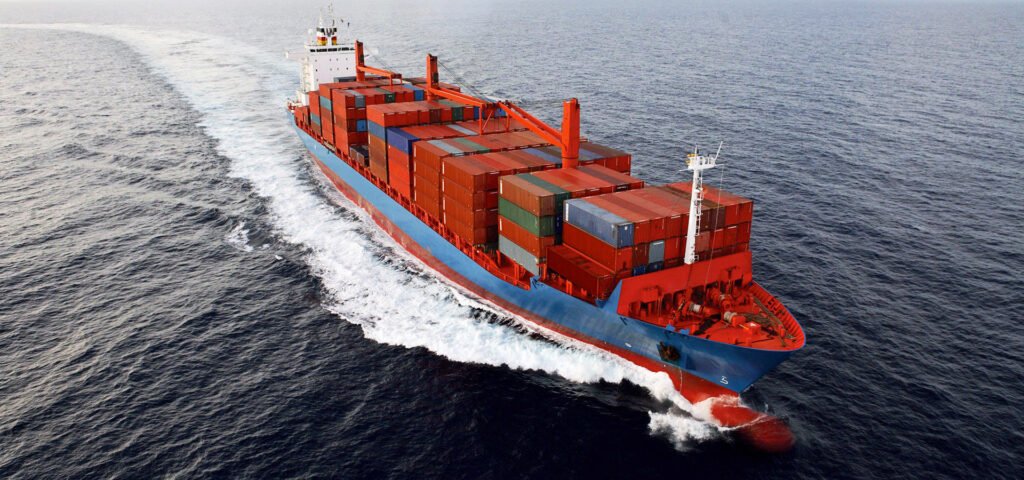
Containers play a crucial role in modern shipping, revolutionizing the way goods are transported. These standardized metal boxes, typically measuring 20 or 40 feet in length, enable easy loading, unloading, and transfer between different transport modes without the need to handle the cargo itself. This concept, known as containerization, has significantly enhanced the efficiency and security of global trade.
History and Evolution of Containerization
The history of containerization dates back to the mid-20th century, with the introduction of the first intermodal container by American entrepreneur Malcolm McLean in 1956. This innovation marked a turning point in the shipping industry, as it allowed for the seamless transfer of goods between ships, trucks, and trains. The adoption of standardized containers led to a dramatic reduction in shipping costs and transit times, laying the foundation for the boom in global trade.
Over the decades, technological advancements have further transformed the industry. The development of larger and more efficient container ships, sophisticated tracking systems, and automated port facilities has optimized the handling and transportation of goods. Today, containerization continues to evolve, with ongoing innovations aimed at improving sustainability, security, and efficiency in the shipping and container services sector.
Key Components and Processes in Shipping and Container Services
Shipping and container services are integral to global trade, involving several key components and a series of complex processes to ensure goods are transported efficiently from origin to destination. The main actors in this ecosystem include ports, shipping lines, freight forwarders, and customs brokers. Each of these entities plays a critical role in the seamless movement of cargo.
Ports serve as the primary hubs for loading and unloading goods. They are equipped with the necessary infrastructure to handle various types of containers, including standard, refrigerated, and flat rack containers. Shipping lines provide the vessels that transport these containers across the seas, adhering to established shipping routes that optimize fuel efficiency and transit times.
Freight forwarders act as intermediaries between shippers and carriers, managing the logistics of shipping goods. They handle bookings, coordinate with shipping lines, and ensure all necessary documentation is prepared. This includes bills of lading, commercial invoices, and packing lists. Customs brokers, on the other hand, facilitate the clearance of goods through customs by ensuring compliance with regulatory requirements and paying any applicable duties and taxes.
The end-to-end process of shipping goods begins with booking space on a vessel and preparing the required documentation. Once these steps are completed, the goods are loaded onto containers at the port of origin. During transit, the shipment may pass through several ports, following predetermined shipping routes. Upon arrival at the destination port, the containers are unloaded and cleared through customs before being delivered to their final destination.
Understanding Incoterms (International Commercial Terms) is crucial in this process as they define the responsibilities of buyers and sellers at different stages of the shipping journey. Common Incoterms include FOB (Free on Board), CIF (Cost, Insurance, and Freight), and DDP (Delivered Duty Paid), each specifying different points at which risk and cost transfer from seller to buyer.
The shipping industry faces numerous challenges, including delays caused by port congestion, regulatory compliance issues, and the impact of global events such as pandemics or geopolitical tensions on shipping schedules. Efficient management and adaptability are essential to navigating these challenges and ensuring the reliable delivery of goods.