The Essentials of Shipping and Container Services
Understanding Shipping Services
Shipping services are the backbone of global trade, facilitating the movement of goods from manufacturers to consumers across the world. These services encompass various transportation methods, each suited to different needs and circumstances. The three primary types of shipping services are air freight, sea freight, and land freight, each offering unique advantages and challenges.
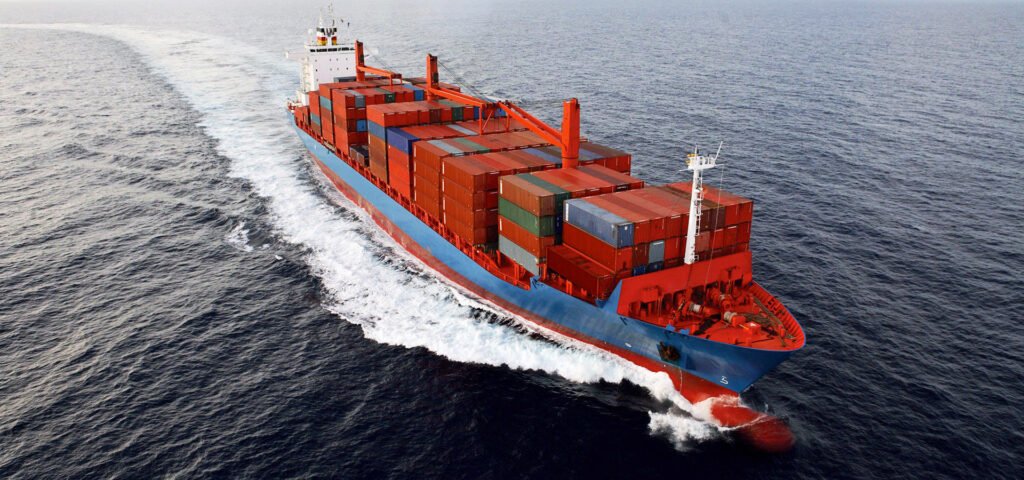
Air freight is the fastest mode of shipping, ideal for time-sensitive deliveries. It is particularly beneficial for high-value or perishable goods, such as electronics, pharmaceuticals, and fresh produce. However, the speed of air freight comes at a higher cost compared to other shipping methods. Sea freight, on the other hand, is the most cost-effective for transporting large volumes of goods over long distances. It is the preferred choice for bulky, non-perishable items like machinery, textiles, and raw materials. While slower than air freight, advancements in containerization and logistics have significantly improved the efficiency of sea transport.
Land freight encompasses both road and rail transport. Road freight offers flexibility and accessibility, making it suitable for short to medium distances, particularly within continents. It is commonly used for domestic and regional deliveries. Rail freight, while less flexible than road transport, is highly efficient for moving large quantities of goods over long distances within a continent. It is often used in conjunction with other shipping methods as part of an intermodal transport system.
Choosing the appropriate shipping method requires careful consideration of several factors. Cost is a primary concern, as businesses aim to balance shipping expenses with overall profitability. Speed is another crucial factor, especially for industries where timely delivery is vital. The nature of the goods being shipped, including their size, weight, and perishability, also plays a significant role in determining the best shipping method. Additionally, logistics such as packaging, labeling, and documentation are essential to ensure the smooth transit of goods. Proper packaging protects items from damage, while accurate labeling and documentation facilitate customs clearance and compliance with international regulations.
In essence, understanding the intricacies of shipping services is vital for businesses engaged in global trade. By evaluating the various shipping methods and their respective advantages, companies can make informed decisions that optimize their supply chain operations and meet their delivery commitments efficiently.
Overview of Container Services
Container services play a pivotal role in the global shipping industry, offering a standardized method for transporting goods efficiently and securely. Containers come in various types, each designed to meet specific transportation needs. The most common type is the standard dry container, used for a wide range of general cargo. Refrigerated containers, often referred to as “reefers,” are essential for transporting perishable goods, maintaining a controlled temperature throughout the journey. Specialized containers, such as flat racks and open tops, are employed for oversized or heavy goods that do not fit into standard containers.
The benefits of using container services are manifold. Firstly, containers protect goods from environmental factors, theft, and damage, ensuring that products arrive at their destination in optimal condition. Additionally, containerization simplifies the handling process. Goods are loaded into containers, which can then be easily transferred between different modes of transport, such as ships, trains, and trucks, without the need to unload and reload the cargo. This seamless transferability enhances the efficiency of the transportation process, reducing handling times and labor costs.
The process of containerization starts with the loading of goods into containers at the point of origin. These containers are sealed and labeled with unique identification codes, enabling easy tracking throughout their journey. Once loaded, containers are transported to ports, where they are transferred onto container ships using specialized cranes. Upon arrival at the destination port, the containers are unloaded and either delivered directly to the consignee or transferred to another mode of transport for final delivery.
Container shipping has revolutionized international trade, significantly reducing transportation costs and improving supply chain efficiency. By providing a standardized and scalable solution, container services enable businesses to move large volumes of goods across vast distances with relative ease. This has facilitated the growth of global trade, allowing companies to expand their markets and source products from around the world. In essence, container services are the backbone of modern shipping, underpinning the logistical frameworks that drive the global economy.